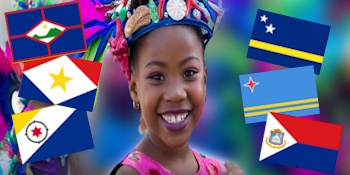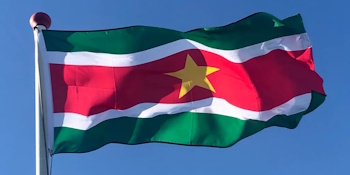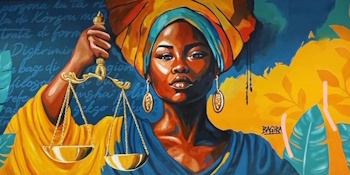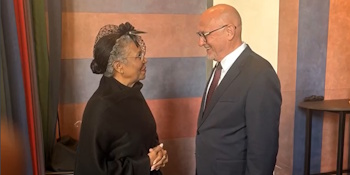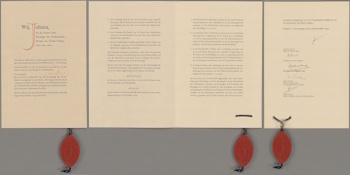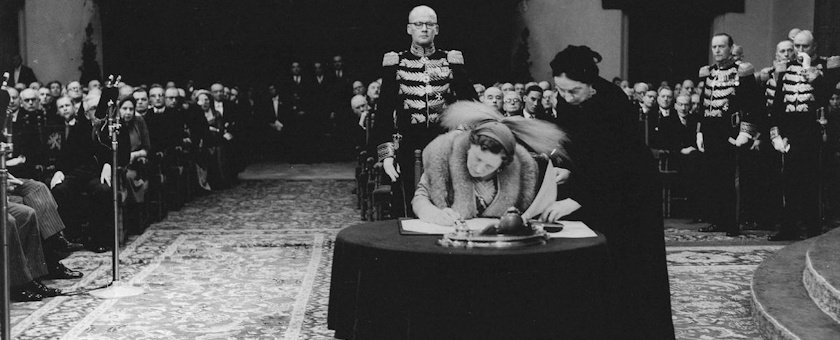
Seventy years ago, Queen Juliana signed a document that ranks even above the Dutch Constitution: the Charter (locally often referred to as the 'Statuut') for the Kingdom of the Netherlands. On the Caribbean islands, Kingdom Day is celebrated annually on this date, while in the Netherlands, flags are raised on government buildings, yet hardly anyone knows why. What exactly happened on that day in 1954?
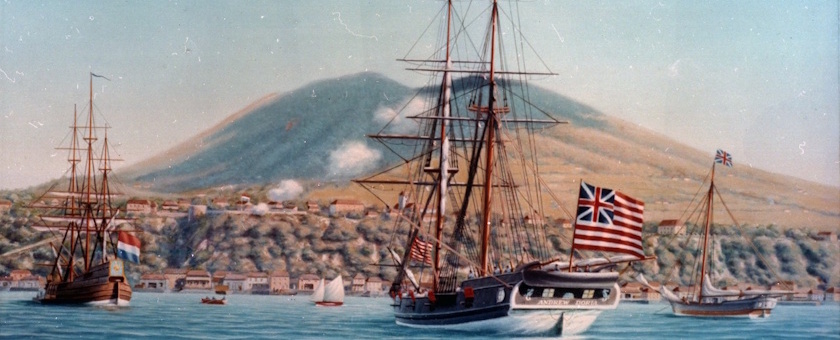
The "First Salute" refers to a historic event on November 16, 1776, when the Dutch island of St. Eustatius became the first in the world to recognize the independence of the United States. From Fort Oranje, a cannon salute was fired to greet the American ship Andrew Doria, a symbolic gesture considered to be the first official recognition of the United States by the Netherlands.
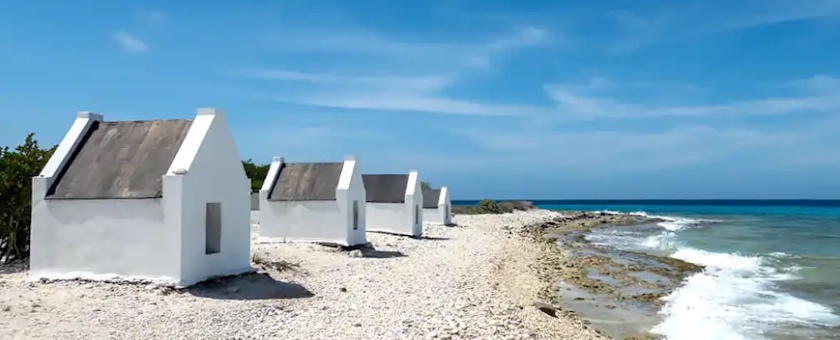
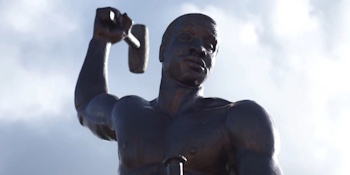
The Transatlantic slave trade was part of the triangular trade between Europe, Africa, and the Americas. European trading companies, such as the Dutch West India Company (WIC), brought goods like weapons, textiles, and jewelry to Africa, where they were exchanged for enslaved people. These enslaved people were then transported to the Americas and sold on plantations, which produced commodities like sugar, coffee, tobacco, and cocoa.
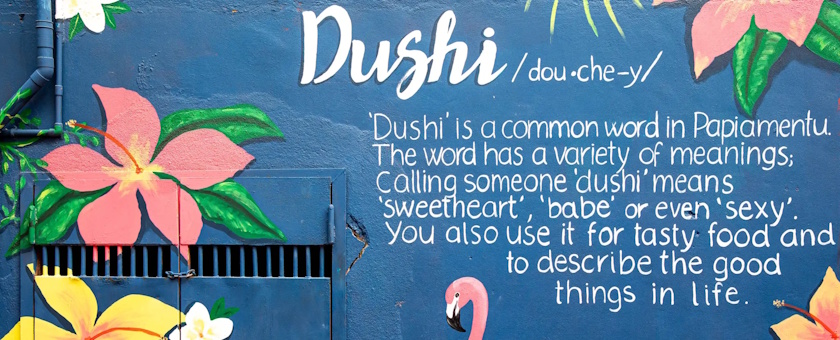
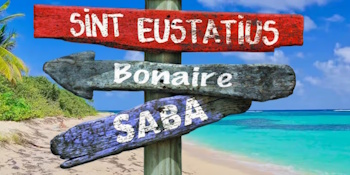
The Kingdom of the Netherlands boasts a surprising linguistic diversity. From Frisian in Friesland to English on the Windward Islands Saba, Sint Maarten, and Sint Eustatius. On the ABC islands Aruba, Curaçao, and Bonaire, Papiamento is spoken. Each language tells its own story of history, culture, and identity. This article is about the richest of those stories: Papiamento.
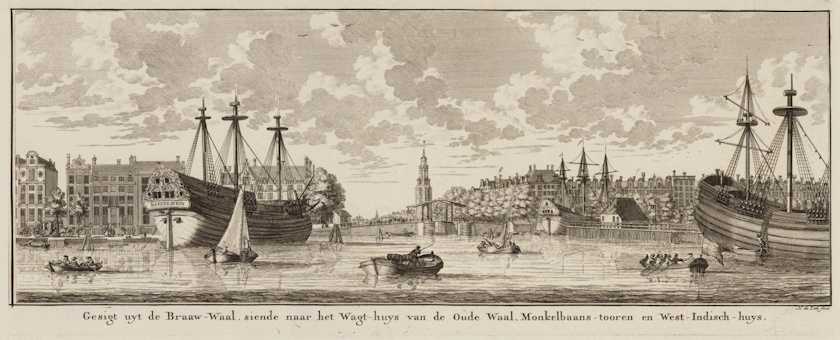
When we think of the Dutch Golden Age, many people immediately picture the VOC. However, the Republic had another major trading enterprise: the Dutch West India Company, or WIC for short. This organization played a key role in Atlantic trade, driven by profit, warfare, colonization, and slavery. The WIC was founded in 1621. The Netherlands wanted to trade in the Atlantic region while simultaneously undermining its Spanish enemy.